


Travel in 2026 does not have to be expensive, but it does require smarter habits. With rising flight costs, stricter baggage rules, and dynamic pricing systems, how people plan and move now matters more than ever.
One of the most effective habits is flexible travel planning. Travelers who remain open to different travel dates, times, or nearby airports often find significantly cheaper fares. Mid-week flights and off-peak seasons continue to offer better value than weekends or peak travel periods.
Another money-saving habit is tracking prices instead of rushing bookings. Airlines and booking platforms frequently adjust prices based on demand and browsing behavior. Monitoring fares over time, setting price alerts, and comparing multiple platforms help travelers avoid paying more than necessary.
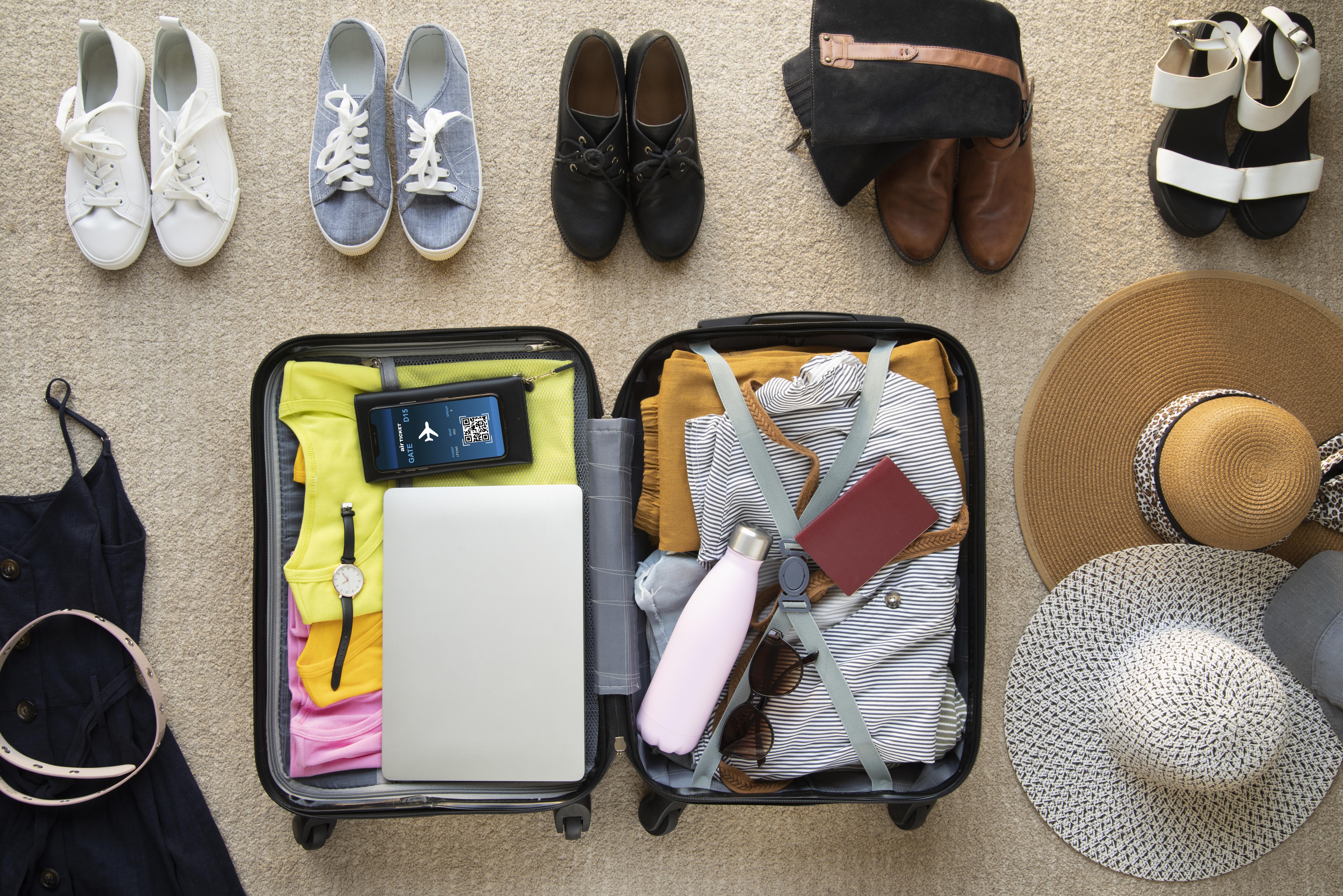
Packing smarter has also become essential. Airlines are increasingly strict with luggage limits, and excess baggage fees can quietly inflate travel costs. Travelers who pack versatile clothing, avoid unnecessary items, and stick to carry-on luggage where possible often save more than they expect.
Accommodation choices also influence overall expenses. Staying slightly outside major tourist centers usually offers better rates and access to reliable transport. In 2026, short-stay apartments and alternative lodging options continue to provide better value, particularly for longer trips where access to a kitchen reduces food costs.
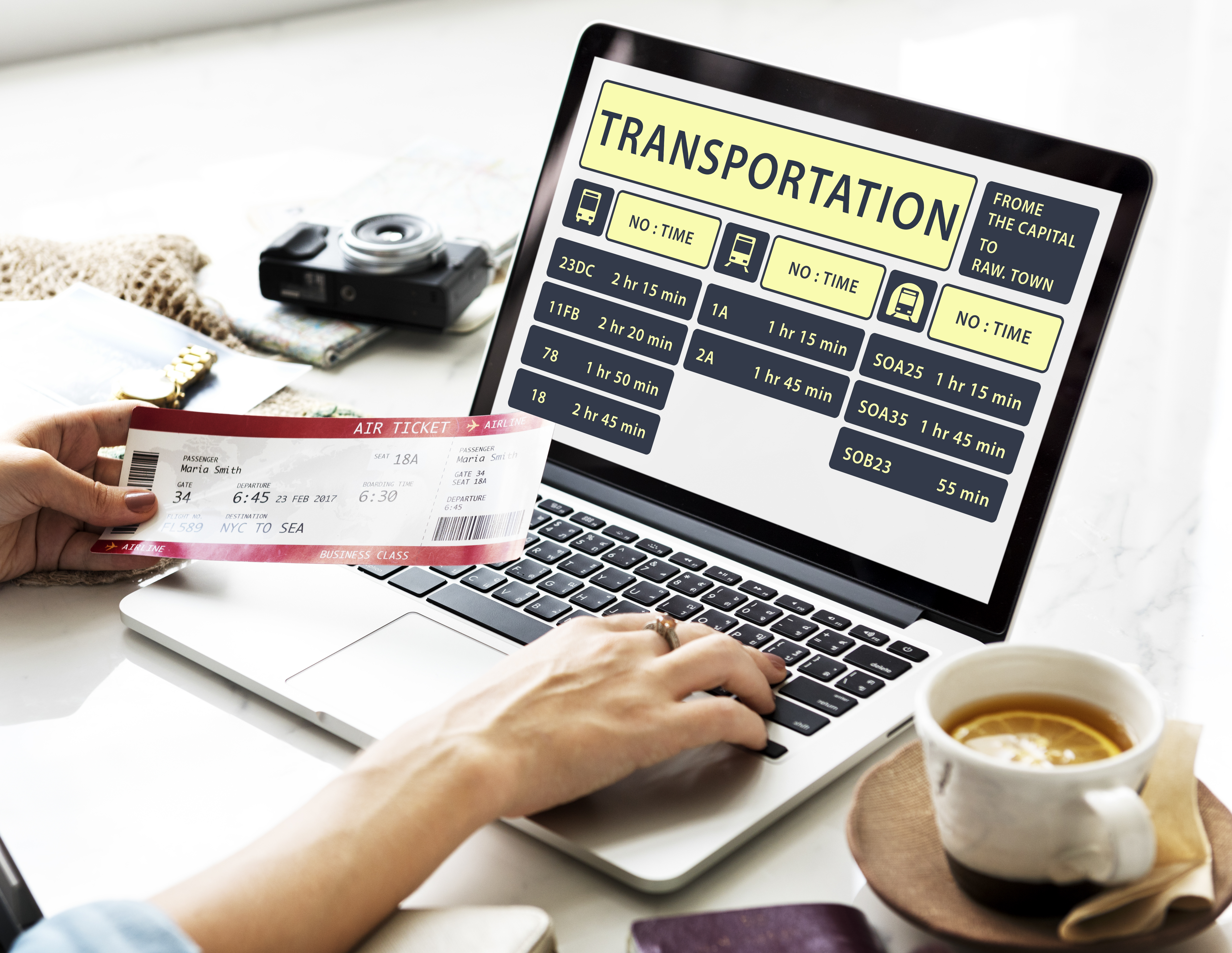
Planning transportation ahead of time is another key habit. Last-minute airport transfers, taxis, and ride-hailing services tend to cost more. Researching public transport options, travel passes, or walking routes before arrival helps reduce unnecessary spending.
Digital preparedness plays a growing role as well. Downloading offline maps, storing travel documents digitally, and installing local transport apps help travelers avoid roaming charges, printing costs, and emergency data purchases.
Perhaps the most underrated habit is setting a realistic daily budget. Without one, small expenses add up quickly. Tracking daily spending allows travelers to adjust plans early rather than overspend and regret it later.
Saving money while traveling in 2026 is less about cutting experiences and more about changing habits. Thoughtful planning, flexibility, and awareness often matter more than how much money a traveler starts with. In today’s travel landscape, smart habits are the real currency.

From flexible booking to smarter packing, these travel habits can help you save money and avoid unnecessary expenses in 2026.
Photo Gallery
Click any image to view in full size
1 / 1